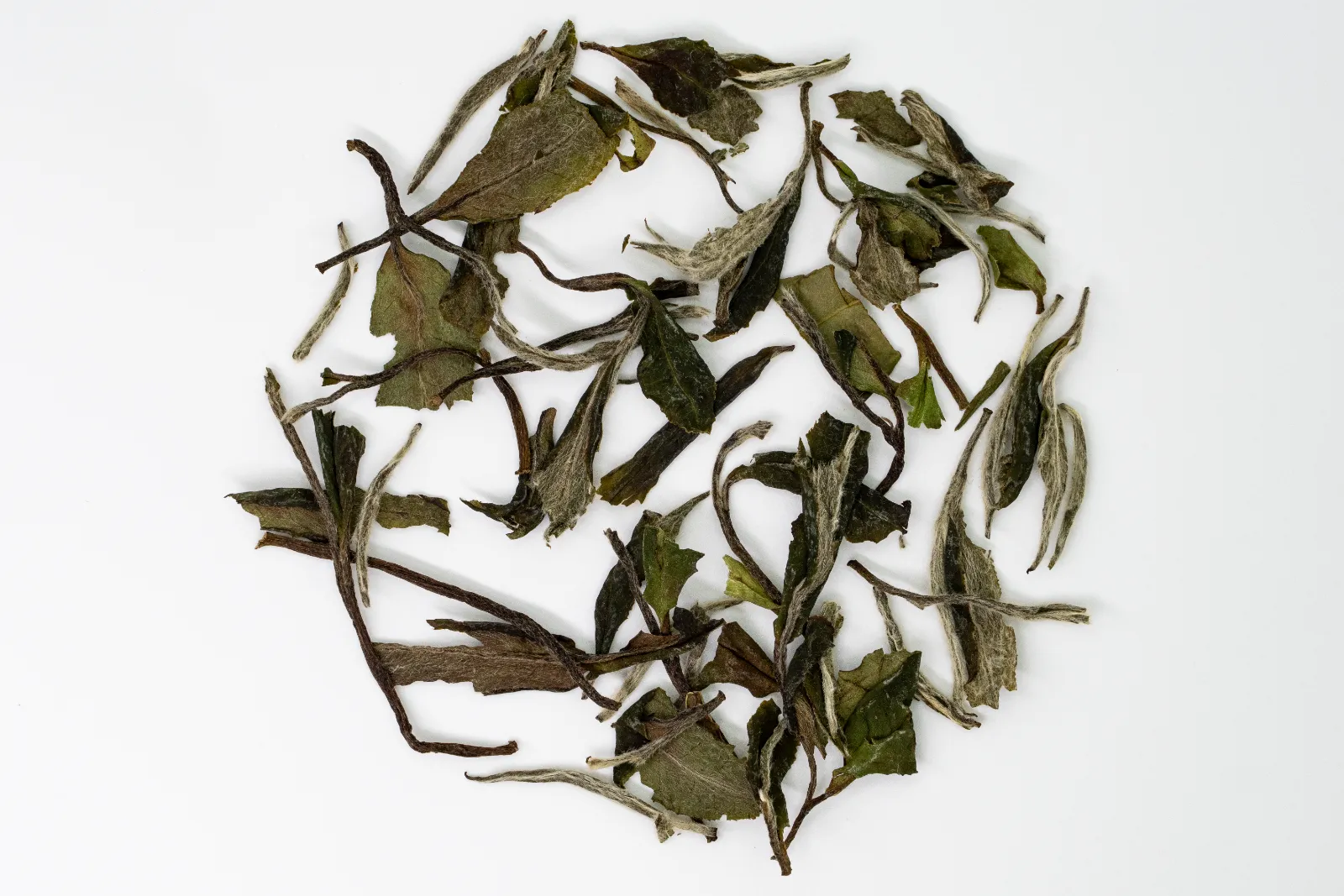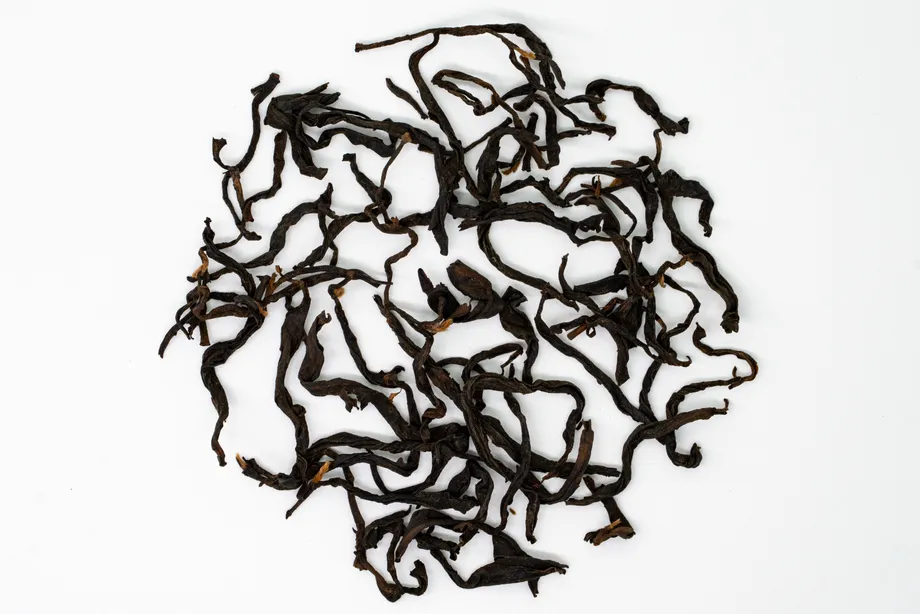
Studio preview
Yúnnán Gǔ Shù Hóng Chá
Gaiwan
Yúnnán Gǔ Shù Hóng Chá云南古树红茶
Yúnnán Gǔ Shù Hóngchá
- Origin
- China, Yúnnán Province (雲南省)
- Tea type
- Gaiwan
- Water temperature
- 90 °C
- Gongfu water temperature
- 100 °C
SKU · YUNNAN-GU-SHU-HONGCHA-CN
Tea dossier
Provenance and specifications
- Origin
- China, Yúnnán Province (雲南省)
- Tea type
- Gaiwan
- SKU
- YUNNAN-GU-SHU-HONGCHA-CN
Brewing recipes
- Gongfu: 100°C, 7 g / 100 ml, 10s, 12 steeps
- Western: 100°C, 3 g / 200 ml, 180s, 2 steeps
Tea dossier
Brewing, origin and taste notes
Brewing
- Process
- គូស៊ូ ហុងឆា មិនត្រូវការភាពទន់ភ្លន់ក្នុងពិធីឡើយ — នេះគឺជាតែ «កម្លាំង» ដែលអភ័យទោសដល់កំហុសឆ្គងក្នុងការញ៉ាំ ប៉ុន្តែនឹងបង្ហាញជម្រៅពេលយើងយកចិត្តទុកដាក់ក្នុងការញ៉ាំ។
- Tea amount
- 5–7 g per 100–120 ml (gongfu method); 3–4 g per 200–250 ml (steeping).
- Teaware
- Porcelain gàiwǎn (蓋碗) — ideal for tasting, doesn't distort aroma. Yíxīng teapot (宜興紫砂壺) — excellent for gu shu: porous clay structure "collects" and enha...
- Water temperature
- 90 °C
- Gongfu water temperature
- 100 °C
- Tea amount
- 7 g
Origin
- Tea type
- Red
- Alt Names
- Gǔ Shú Diānhóng (古樹滇紅); Gǔ Shú Shàihóng (古樹曬紅); Yè Shěng Hóng Chá (野生紅茶, when using wild trees); colloquially — "ancient tree red,&q...
- Soil
- Red and yellow lateritic soils (紅壤/黃壤), acidic (pH 4.5–6.0), rich in iron and aluminum oxides, with good drainage. In forest ecosystems — high organic content.
Taste
- Dry Leaf Appearance
- Large, fat, tightly twisted tea particles. Color — from black-brown to dark chestnut, with abundant golden down (金毫, jīn háo). Leaf noticeably larger than standard dianhong...
- Dry Leaf Aroma
- Deep, multi-layered: honey, dried fruits (date, longan), caramel, light floral note (orchid, rose). Shaihong has more restrained, "earthy" aroma with notes of dry wood.
- Liquor Aroma
- Powerful and persistent. Honey, caramel, dried fruits. With infusions, floral and mineral depth unfolds. In best samples — "cha qi" (茶氣): sensation of warmth and energ...
- Liquor Color
- Dark amber to deep ruby, clear, with golden gleam in light. Shaihong — lighter, orange-amber.
- Spent Leaves
- Large, whole, elastic leaves of copper-red color. Stems and "ma ti" (馬蹄 — "hooves" — thickenings at shoot base) — characteristic marker of tree material.
- Sensory Source Descriptor Be Intensity
- 1
Details
- Picking
- Spring (March–April) — best grade: maximum amino acids, tenderness, sweetness. Autumn (September–October) — more pronounced aroma, "honey" notes. Summer pickings — sta...
- Pluck Standard
- One bud with one-two leaves (一芽一二葉) for premium batches; one bud with two-three leaves — for standard ones. Ancient trees have larger and thicker leaves than plantation bushes.
- Alkaloids
- Caffeine 3–5% (higher than small-leaf red teas), theobromine, theophylline. High caffeine content combined with L-theanine gives characteristic "soft but powerful" ton...
- Amino Acids
- 2–4%. L-theanine — basis of softness and "umami." Ancient trees generally have higher amino acid content than plantation bushes, thanks to deep root systems and slow g...
- Polyphenols
- 25–35% dry weight (significantly higher than small-leaf red teas). During fermentation, catechins transform into theaflavins (1–2%), thearubigins (8–15%), and theabrownins — the...
- Early harvest months
- 3, 4
FAQ
Questions & answers
No published questions and answers yet.
Customer reviews
No reviews yet. Be the first to share your experience.
Write a review
Sign in to check whether this purchase is eligible for a review.
Where to buy
Buy this tea
Verified sellers and regional availability are resolved from the commerce network before any external seller page opens.
Seller trust: Only verified commerce-network records are shown; retailer identity, terms and freshness remain visible before you follow a route.
Verified offers are being prepared
Region coverage: China, Yúnnán Province (雲南省)
No verified public offer is available for this product yet. Add the tea to your request or check again after the retailer network sync.
More to explore